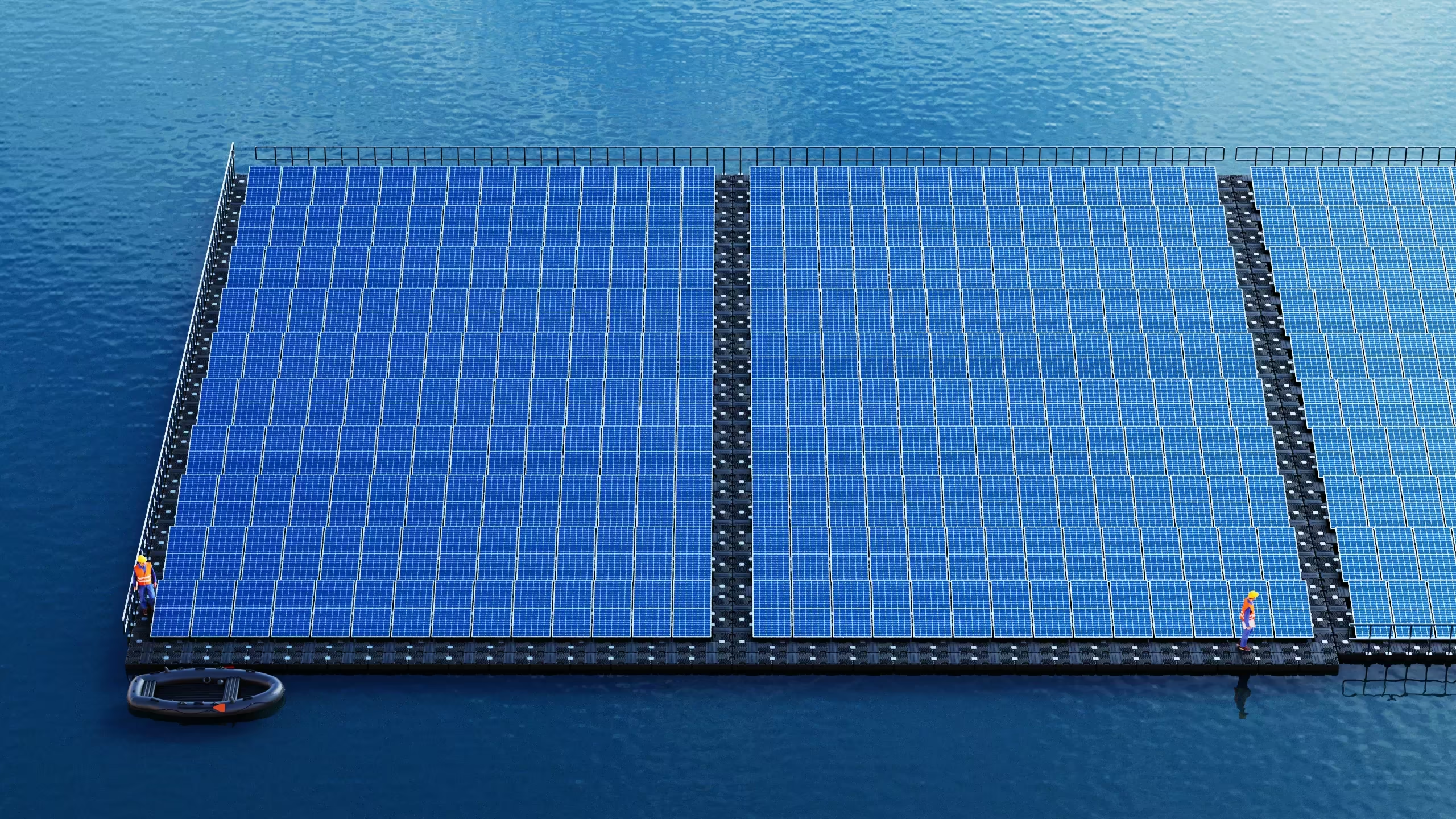
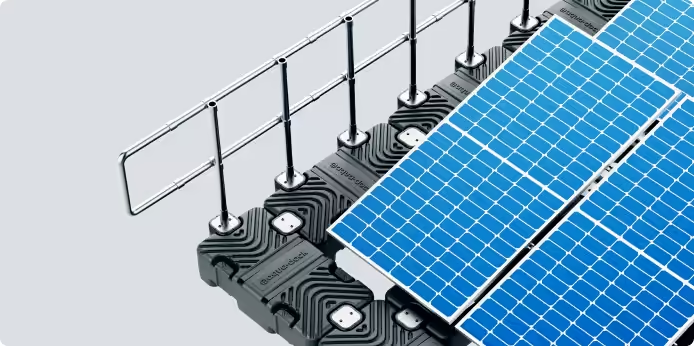
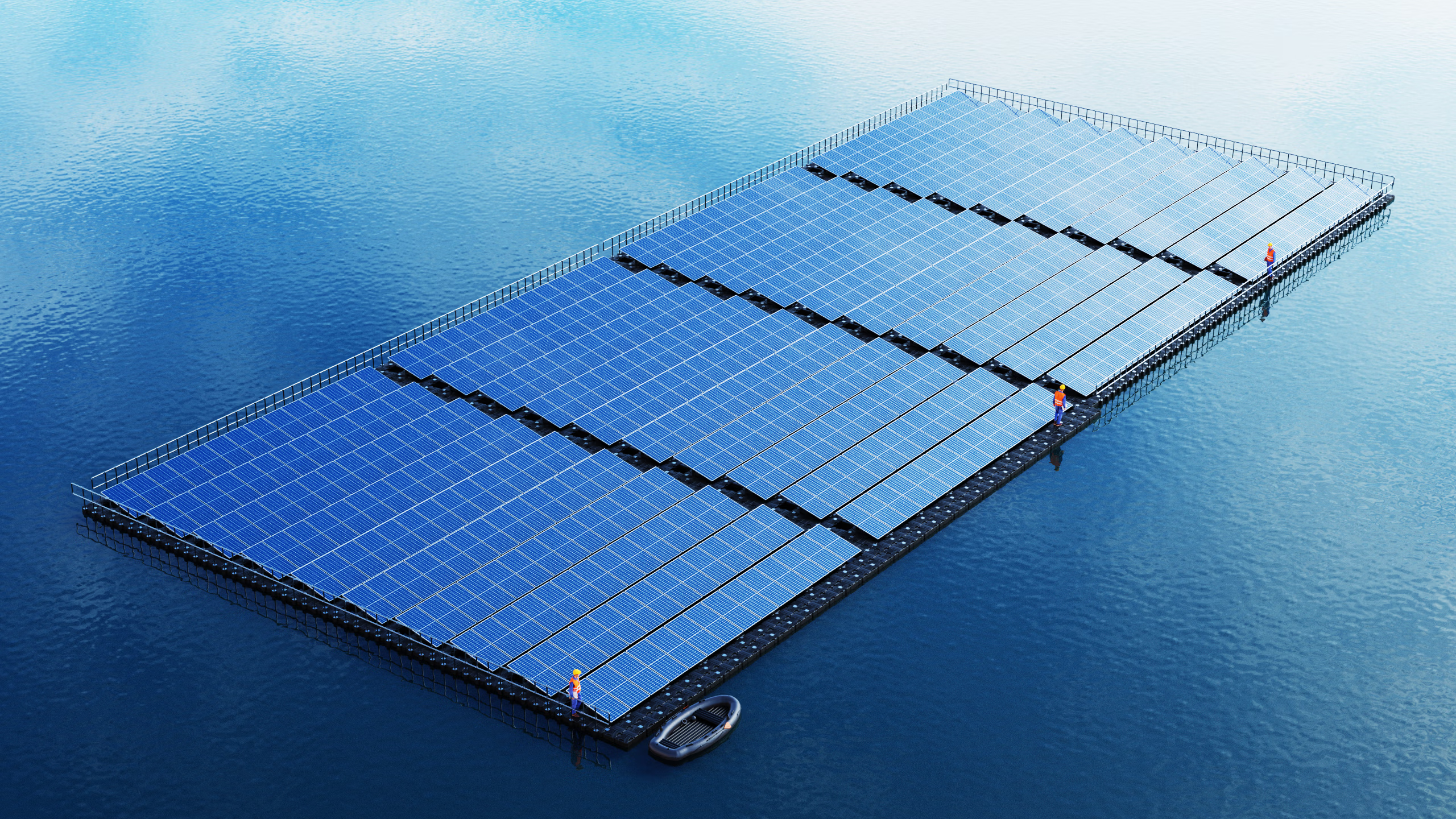
The Aqua-Dock system enables solar panels to be deployed on lakes or reservoirs. This allows green energy generation at large scale, in otherwise inaccessible areas. Existing systems have limited customisability and give little consideration to user safety during installation and maintenance. In extreme weather conditions, they also suffer from severe durability issues. Aqua-Dock adopts a grid-based, modular design. The unique linking system is highly durable, customisable and can withstand harsh weather due to the semi-flexible nature of the float joints. The system also ensures user safety via slip-resistant walkways and secure handrails.
The project brief was to design a floating solar panel system with better standards of durability, customisability and user safety. A streamlined installation process and improved buoyancy were also essential requirements. These objectives were achieved through an intuitive, modular design; a weather-resistant float linking system; and additional safety features. The product is blow-moulded, enabling high-volume, cost efficient manufacture. This production process also produces hollow floats which are highly buoyant. The system efficiently addresses the increasing requirement for green energy as the world moves toward a carbon neutral future.
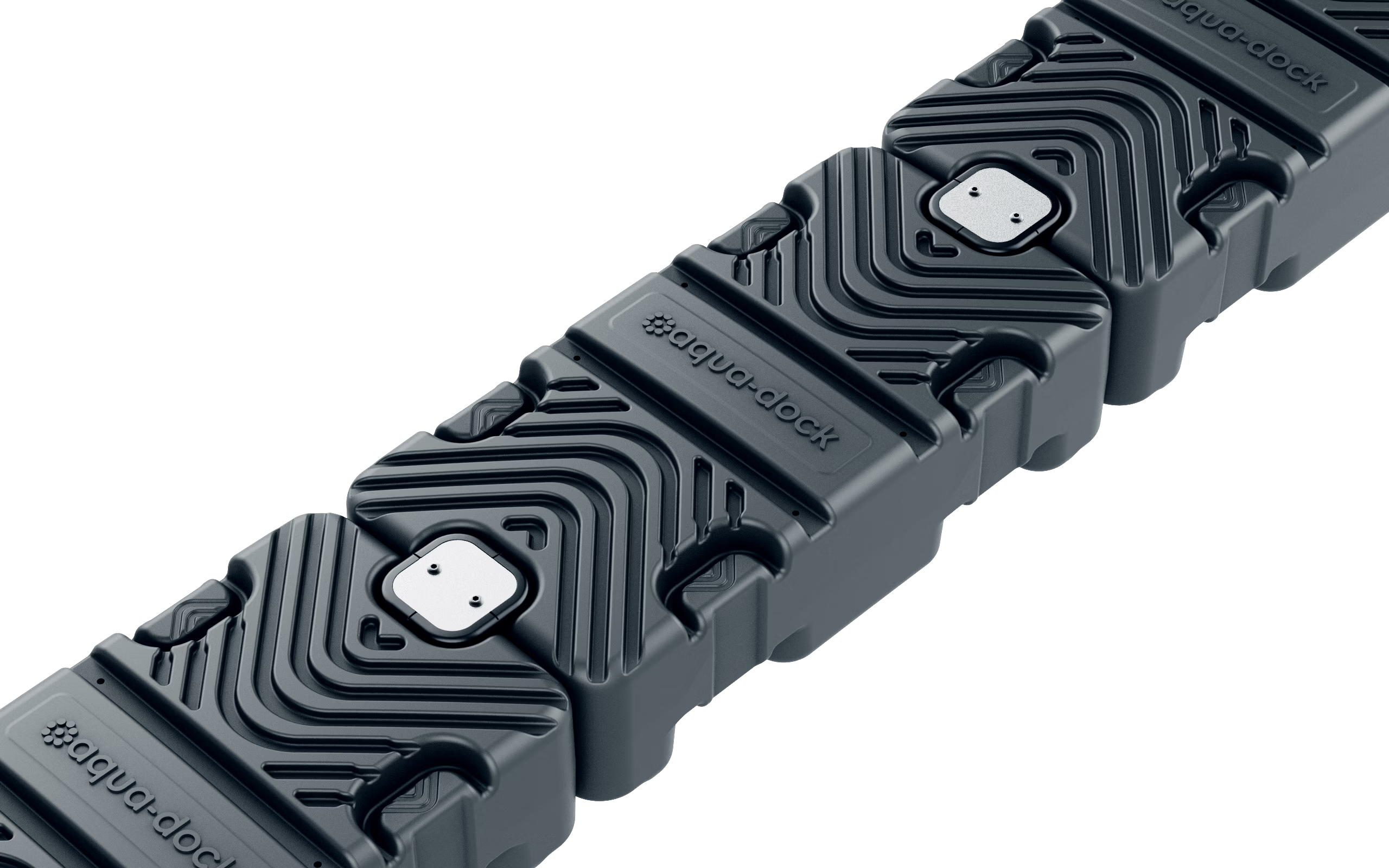
The system utilises blow-moulding as the primary manufacturing method. This enables the large scale floats to be made cost effectively, at high volume. The product form is driven by function and the requirements of the blow-moulding process. All components are optimised to achieve effective blowing ratios and incorporate heavily radiused edges for strength and ease of moulding. The walkway floats integrate large branding areas and a distinctive, angular pattern on their upper surface. The pattern provides slip resistance as well as creating a durable and rugged visual aesthetic, which inspires user confidence in the robustness of the product.
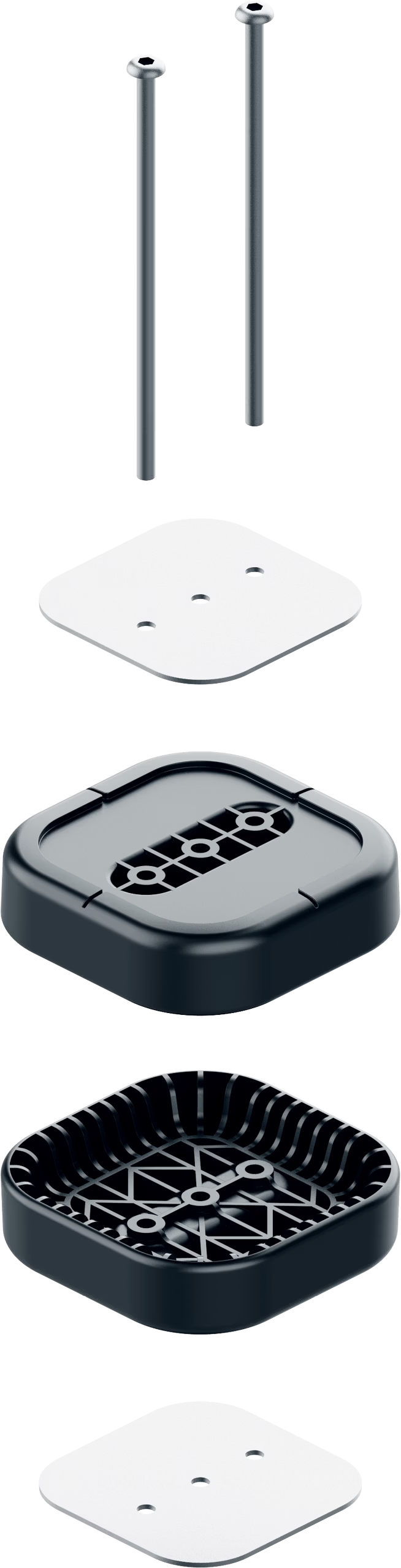
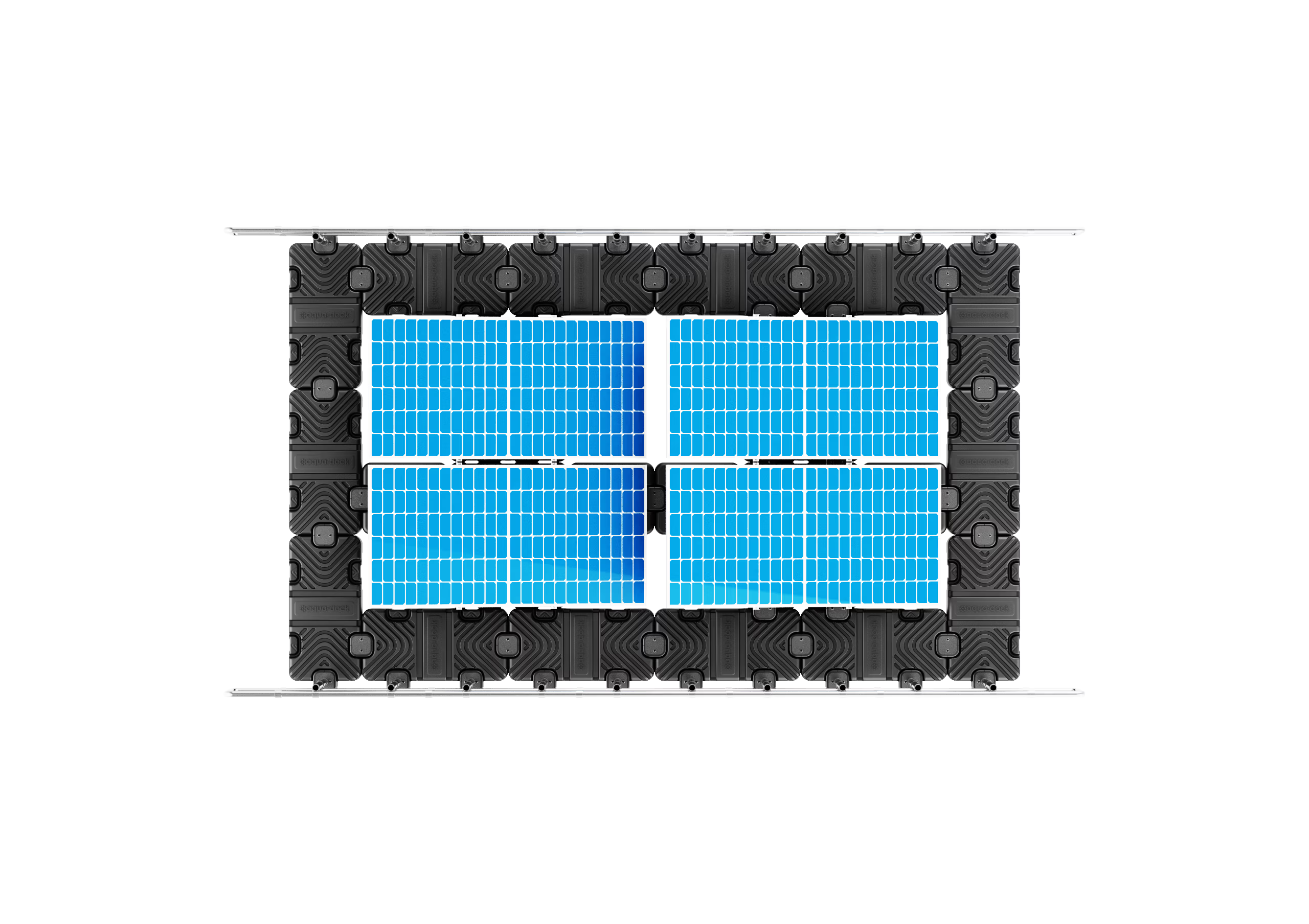
The system is comprised of walkway floats and solar panel floats. These are able to attach together at multiple positions around their perimeters, using injection-moulded clamps. The clamps create strong joints which allow some movement, reducing the effect of wave impacts. Assembly is intuitive, with little instruction required to assemble large-scale installations. Angled, blow-moulded support arms attach to the solar panel float via a taper locking system. These create mounting points for the solar panels. The floats also include cable routing features, while handrails can optionally be fitted, greatly increasing user safety.
The modular nature of the product and its’ innovative clamping system differentiates it from competitor systems. Other systems assemble via staggered linking arms which must overlap in very specific ways. The unique Aqua-Dock clamping system integrates multiple linking positions which all utilise the same standard clamping components. This versatile method enables assembly of a wide range of possible configurations, using the same hardware and assembly process each time. Although Aqua-Dock is an established brand in the floating pontoon arena, introduction of the solar float system will allow them to explore lucrative new markets.
The Aqua-Dock floating solar system provides significant social benefits by allowing green energy to be generated at large scale, without depleting valuable land area. Manufactured from HDPE, the product is highly durable and resistant to environmental degradation, ensuring a long lifespan. A number of unique innovations make the system easier, safer and more intuitive to install compared with competitors. At end of life, the product will leverage the well-established HDPE recycling network. Manufacturing commences in 2024 at the Mergon Group UK factory, which adheres to European labour laws and has a developed sustainability strategy.
The Aqua-Dock system recieved an iF Design Award in 2024. The project was judged by a 132-member jury, comprised of independent experts from across the world. The competition was intense, with 10,807 submissions in total from 72 countries. Within the ‘Product’ awards category, the Aqua-Dock system was one of only 32 winners across the UK. You can read more about the project on the iF Design website:
https://ifdesign.com/en/winner-ranking/project/aqua-dock-floating-solar-panel-system/646163
The Aqua-Dock system recieved an iF Design Award in 2024. The project was judged by a 132-member jury, comprised of independent experts from across the world. The competition was intense, with 10,807 submissions in total from 72 countries. Within the ‘Product’ awards category, the Aqua-Dock system was one of only 32 winners across the UK. You can read more about the project on the iF Design website:
https://ifdesign.com/en/winner-ranking/project/aqua-dock-floating-solar-panel-system/646163
Our Role.
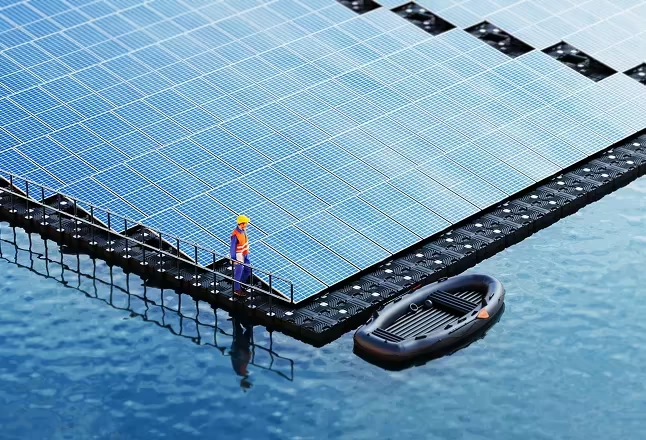
FSW designed the Aqua-Dock floating solar system — a three-component modular platform that enables green energy generation on lakes and reservoirs that would otherwise remain unused. The system needed to be lightweight enough for small installation teams, robust enough for open water, and flexible enough to accommodate any site configuration or panel specification.
The Challenge.
Existing floating solar solutions were either too complex to install at scale, too fragile for turbulent open water conditions, or required specialist equipment and large crews to deploy. Aqua-Dock needed to be assembled by a small team using simple hand tools, maintained safely by workers walking directly on the structure, and expanded or reconfigured as requirements changed.
Modularity.
Every joint in an Aqua-Dock installation uses the same clamp. The clamp is designed to allow a controlled degree of movement between floats, so the structure accommodates wave turbulence rather than resisting it rigidly. Installation is straightforward — the same process repeated at every connection point across the array, regardless of size or configuration.